
Gambling's cultural significance How perceptions shape our understanding of chance
The Historical Context of Gambling
Gambling has been a part of human civilization for centuries, with its roots tracing back to ancient cultures. Archaeological evidence suggests that games of chance were played in various forms in Mesopotamia, Egypt, and China. These early forms of gambling were often intertwined with religious and social practices, emphasizing luck as a divine element. In these societies, chance was seen as an expression of fate, a belief that persisted through the ages and shaped modern gambling perceptions. Recently, platforms like luckyspin-demo.com/ reflect how these traditions adapt in the digital age.
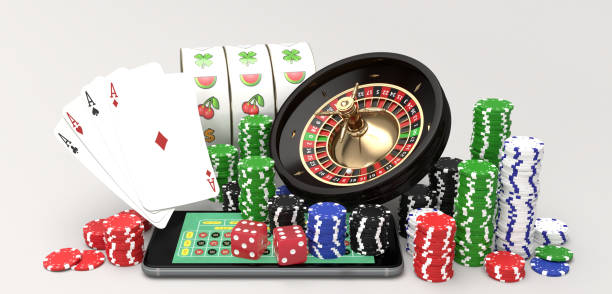
In the medieval period, gambling evolved alongside societal changes, becoming more formalized in the form of organized games and betting. The establishment of early casinos in Italy during the Renaissance highlighted a shift where gambling became associated with leisure rather than mere survival. This transformation was significant as it laid the groundwork for gambling as a form of entertainment, reflecting a broader cultural acceptance and understanding of chance as a part of life.
As societies continued to evolve, so did the perception of gambling. In the 19th century, with the rise of the industrial revolution, gambling became more accessible, leading to the proliferation of betting houses and lotteries. This era introduced a more structured approach to gambling, including the establishment of rules and regulations, which shaped public perceptions of chance and risk, contributing to the modern gambling landscape we recognize today.
Cultural Perceptions of Gambling
The cultural significance of gambling varies across societies, with perceptions shaped by historical, economic, and social factors. In some cultures, gambling is celebrated as a form of entertainment and social bonding, while in others, it is viewed with suspicion and concern. This duality influences how individuals approach games of chance, often aligning with cultural narratives about luck, skill, and morality.
For example, in many Western cultures, the glamorization of casinos and the lottery has led to a normalization of gambling as a recreational activity. Movies and popular media often depict gambling as an exciting venture filled with potential for big wins, reinforcing the belief that luck can lead to life-changing fortunes. In contrast, some Eastern cultures may view gambling as a vice associated with addiction and social ills, influencing public policy and personal choices surrounding gambling activities.
Additionally, contemporary issues such as online gambling have further complicated cultural perceptions. The rise of digital platforms has made gambling more accessible than ever, leading to mixed reactions. While some celebrate the convenience and variety of online options, others express concern over the potential for addiction and the erosion of traditional gambling practices, showcasing how perceptions continue to evolve in response to changing technologies and societal norms.
The Psychological Impacts of Gambling
Gambling is not just a matter of chance; it is also deeply psychological. Many gamblers experience a complex relationship with risk, reward, and the thrill of uncertainty. This interplay can significantly impact mental health, as the excitement of potentially winning can lead to addictive behaviors. Understanding the psychology behind gambling is crucial for comprehending how individuals perceive and engage with games of chance.
The phenomenon of ‘near misses’—situations where a player comes close to winning but ultimately does not—can fuel continued gambling behavior. This cognitive bias reinforces the belief that success is just around the corner, leading to persistent play despite losses. Studies have shown that this psychological dynamic contributes to the allure of gambling, as individuals often underestimate the odds, believing that they possess some control over random outcomes.
Furthermore, the social aspects of gambling can compound its psychological effects. Many individuals associate gambling with social gatherings and communal experiences, which can provide a sense of belonging and excitement. However, this social reinforcement can also mask problematic behaviors, complicating perceptions of what constitutes healthy versus harmful gambling practices. Understanding these psychological underpinnings is essential for fostering responsible gambling habits within various cultural contexts.
Online vs. Land-Based Casinos
The advent of technology has significantly changed the landscape of gambling, giving rise to online casinos that offer an alternative to traditional, land-based establishments. This shift has not only transformed how people engage with gambling but also influenced cultural perceptions of chance. Online casinos have become increasingly popular due to their convenience and accessibility, allowing players to gamble from the comfort of their homes.
However, this convenience comes with its own set of challenges. Online gambling can create a more solitary experience, often leading individuals to underestimate their gambling behaviors. Unlike land-based casinos, where social interaction plays a crucial role, online platforms may contribute to a more isolated gambling experience, potentially increasing the risk of addiction. The cultural implications of this shift are profound, as they challenge traditional views on gambling as a social activity.
In contrast, land-based casinos often create a vibrant atmosphere that fosters social interaction and community. These environments are designed to entice players with the thrill of gaming and the energy of the crowd. However, they also come with heightened risks, such as overspending due to the immediate nature of cash transactions. The cultural significance of land-based gambling remains strong, as it serves as a physical space for entertainment, camaraderie, and shared experiences, balancing the convenience of online platforms with the traditional elements of gambling culture.

Lucky Spin Demo: Engaging with the Digital Landscape
Lucky Spin Demo is a prime example of how the online gambling landscape continues to evolve and adapt to contemporary cultural trends. This platform offers users an interactive environment to engage with various spinning games, emphasizing a user-friendly experience that captures the essence of chance. By providing an array of gaming options, Lucky Spin Demo caters to diverse preferences, reflecting the shift toward personalized gaming experiences.
The platform also promotes responsible gaming, recognizing the importance of balancing entertainment with caution. By encouraging users to play within their limits, Lucky Spin Demo aims to foster a healthier relationship with chance and gambling. This approach is increasingly relevant in today’s digital age, where the accessibility of online gambling can blur the lines between casual entertainment and compulsive behavior.
As the cultural significance of gambling continues to unfold, platforms like Lucky Spin Demo represent a new frontier. They combine tradition with innovation, reflecting both the timeless allure of chance and the necessity for responsible engagement. This balance is crucial in shaping modern perceptions of gambling, as society navigates the complexities of chance in an ever-evolving cultural landscape.