
The Thrill of the Gamble: Understanding the Brain’s Reward System
The allure of the casino, and the dream of winning big, is deeply rooted in human psychology. At its core, gambling taps into the brain’s powerful reward system, primarily involving dopamine. When a player experiences a win, even a small one, or anticipates a potential win, dopamine is released, creating feelings of pleasure and excitement. This neurochemical response reinforces the behavior, making the gambler want to repeat the action in hopes of experiencing that pleasurable rush again, and many players seek out the winstler casino bonus to enhance their experience.
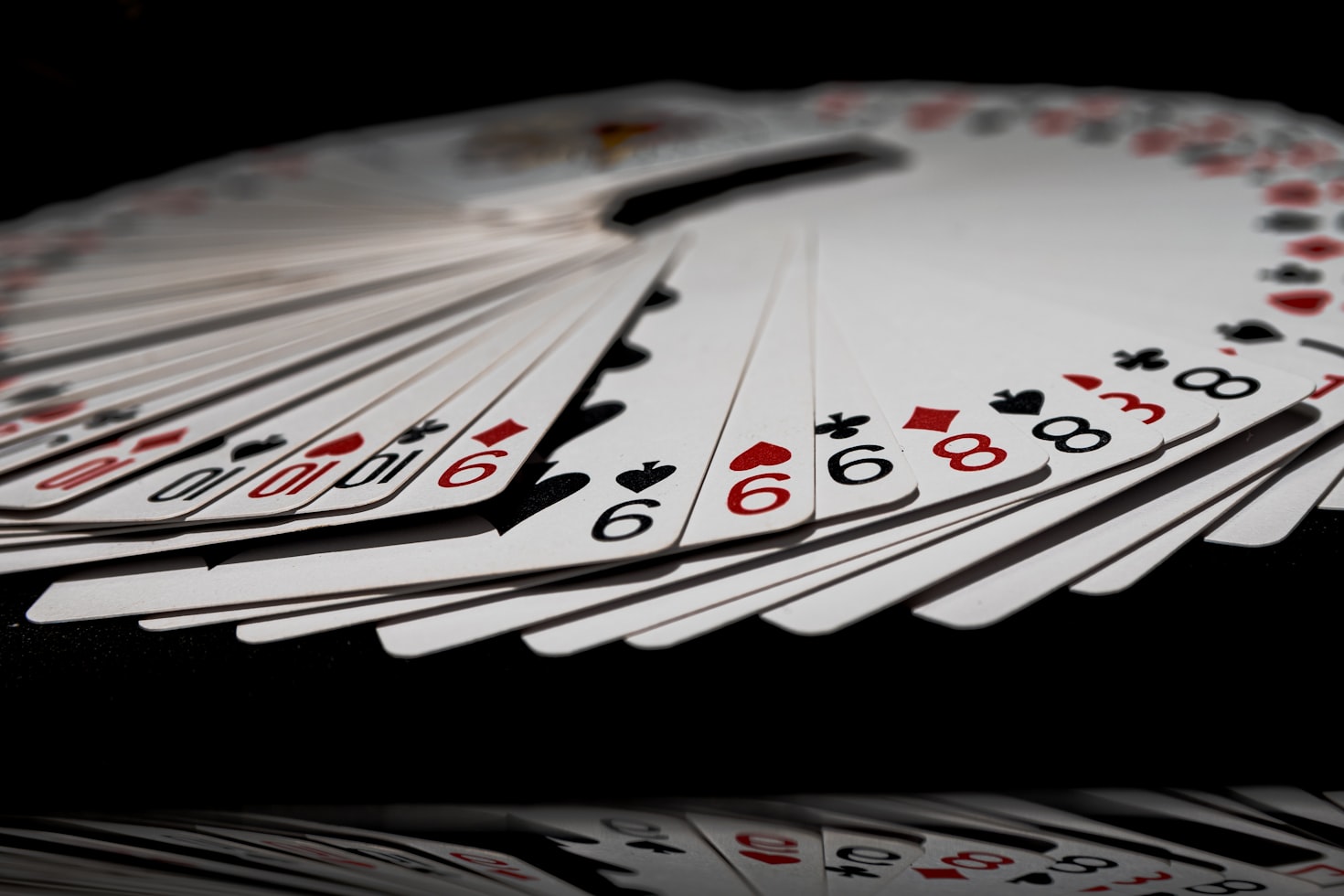
This intrinsic reward mechanism is amplified by the variable ratio reinforcement schedule inherent in casino games. Unlike predictable rewards, the uncertainty of when the next win will occur keeps players engaged and hopeful. The anticipation itself becomes a significant part of the psychological experience, driving continued play and investment in the hope of hitting that elusive jackpot. This cycle of anticipation, reward, and reinforcement is a powerful driver for many casino patrons.
Cognitive Biases and the Illusion of Control
Beyond neurochemistry, a host of cognitive biases significantly influence decision-making at the casino. The “illusion of control” is a prevalent one, where players believe they can influence the outcome of games of chance through skill or strategy, even when the games are purely random. This might manifest as specific rituals before placing a bet or believing that a “hot streak” is a result of their personal prowess rather than statistical variance.
Another common bias is the “gambler’s fallacy,” the mistaken belief that if something happens more frequently than normal during a given period, it will happen less frequently in the future, or vice versa. For example, a gambler might believe that after a series of red outcomes on a roulette wheel, a black outcome is “due.” This flawed reasoning ignores the independent nature of each spin, demonstrating how psychological predispositions can override rational thought in a casino environment.
The Role of Near Misses and Social Dynamics
The phenomenon of “near misses” also plays a crucial role in sustaining gambling behavior. When a player comes very close to winning – for instance, having two out of three symbols align on a slot machine – it can be psychologically as reinforcing as an actual win. This stimulates the dopamine pathways, creating a sense of being “almost there” and encouraging further attempts to achieve the full win.
Social dynamics within a casino setting further contribute to the psychological landscape. The buzzing atmosphere, the shared excitement of other players, and the visual spectacle of lights and sounds can create an immersive environment that enhances the thrill. For many, the casino is not just about winning money but also about the social interaction and the shared experience of anticipation and potential triumph, making it a compelling social venue.
Managing Expectations and Responsible Play
Understanding these psychological triggers is paramount for responsible gambling. While the excitement of potentially winning big is undeniable, it’s crucial to approach casino entertainment with a clear head and realistic expectations. Recognizing that casino games are designed with a house edge means that consistently winning over the long term is statistically improbable for most players.
Developing strategies for managing bankroll, setting strict time limits, and taking breaks are essential components of responsible play. This psychological self-awareness allows individuals to enjoy the entertainment aspect of the casino without succumbing to the potential pitfalls of excessive gambling. It’s about savoring the experience of anticipation and excitement while maintaining control over one’s financial and emotional well-being.

Winstler: Navigating the Psychological Landscape of Online Casinos
Platforms like Winstler offer a modern interpretation of the casino experience, bringing the thrill of potential wins directly to players. While the underlying psychological drivers remain the same – dopamine release, the allure of chance, and the cognitive biases – the online environment introduces its own nuances. The convenience and accessibility of online casinos can amplify the immediacy of these psychological effects, making it even more important for players to cultivate self-awareness and discipline.
Winstler, like other reputable online casinos, provides a controlled environment where players can engage with a wide array of games. Understanding how the psychology of winning, the excitement of anticipation, and the potential for disappointment play out within this digital space is key to a positive and responsible gaming journey. By being mindful of these psychological factors and utilizing the tools available for setting limits, players can best manage their experience on platforms like Winstler.