
The Role of Luck in Gambling
Luck is often viewed as the cornerstone of success in gambling environments such as casinos. For many players, the thrill of rolling the dice or spinning the slots stems from the unpredictable nature of the game. This element of chance can lead to significant wins or devastating losses, making it central to the gambling experience. While skill and strategy do play a role in some games, many outcomes are ultimately left to fate. Casinos are now introducing new casinos online that provide fresh opportunities for experiencing this thrill.
The feeling of being lucky is not just a personal belief; it affects the psychology of gamblers, often leading them to take more risks. The anticipation of a win fuels excitement and can even enhance the gaming experience, drawing players back for more. This interplay between luck and behavior is crucial for casinos, as it shapes their overall business model.
Cultural Perceptions of Luck
Different cultures have distinct interpretations of luck, influencing how people approach gambling. For instance, in some societies, certain numbers are considered lucky or unlucky, impacting players’ choices at the tables. These beliefs can be harnessed by casinos to create themed gaming experiences that resonate with their target audiences, thus amplifying the allure of luck.
Furthermore, the cultural significance of luck extends beyond games of chance. It is often embedded in rituals and superstitions that gamblers adopt, such as wearing lucky clothing or following specific routines before placing bets. Casinos that acknowledge and incorporate these cultural beliefs can foster a deeper connection with their patrons, potentially driving repeat visits.
The Casino Experience and Luck
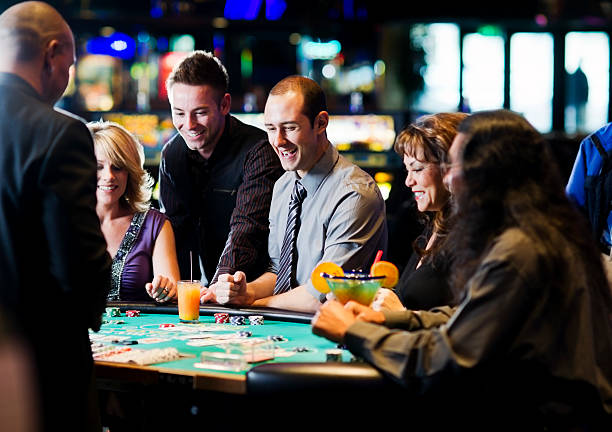
The ambiance of a casino is meticulously designed to enhance feelings of luck and excitement. Bright lights, vibrant colors, and the sound of coins cascading down can create an exhilarating atmosphere that keeps gamblers engaged. This sensory stimulation can intensify the perception of being lucky, encouraging players to continue gambling in hopes of a big win.
Moreover, casinos often implement promotional strategies that capitalize on luck, such as surprise jackpots or lucky draws. These initiatives not only incentivize players but also create a sense of community among participants, as everyone shares in the thrill of the possibility of winning. The overall experience is a blend of luck, psychological engagement, and entertainment.
The Balance Between Luck and Strategy
While luck plays a pivotal role in gambling success, strategy cannot be overlooked. In games like poker and blackjack, players’ decisions significantly impact their outcomes, making skill a vital component. Understanding the odds and employing tactical approaches can enhance a player’s chances of success, but the randomness of the games keeps the element of luck ever-present.
This duality between luck and strategy creates a fascinating dynamic in casinos. Players often engage in a continuous quest to find the perfect balance, elevating their gaming experience. Successful casinos recognize this balance, offering games that cater to both luck-oriented players and those who prefer strategic engagement, broadening their appeal and customer base.
The Role of Online Casinos in Luck Dynamics
In the digital age, online casinos have transformed the gambling landscape, introducing a new dimension to the role of luck. These platforms provide players with access to a wide range of games, often featuring elaborate graphics and interactive experiences. The convenience of online gaming means that players can indulge in their favorite games anytime, enhancing the feeling of being “on a roll.”
Additionally, the anonymity of online gambling can alter the perception of luck. Without the physical presence of others, players may feel more liberated to take risks, which can lead to unexpected outcomes. As online casinos continue to evolve, understanding the luck factor will be essential for maintaining player engagement and satisfaction in this increasingly competitive industry.