
Understanding the psychology behind gambling Why do we take risks
The Allure of Risk-taking
The thrill of gambling often stems from the inherent allure of risk-taking. When individuals place bets, they engage in a behavior that offers both the potential for reward and the threat of loss. This duality stimulates the brain’s reward centers, releasing dopamine—a neurotransmitter associated with pleasure and reward. The rush experienced during a gamble can create a euphoric state, making the act addictive and captivating for many players. It’s this combination of excitement and uncertainty that draws people into the world of gambling.
Moreover, the psychology behind risk-taking in gambling can also be linked to personal motivations and experiences. For some, the desire to escape from daily stresses or mundane routines can lead them to seek excitement in a casino setting. This escapism allows players to immerse themselves in a world where they can momentarily forget their worries and embrace the thrill of the unknown. Each roll of the dice or spin of a slot machine becomes an opportunity to experience something extraordinary, reinforcing the appeal of gambling.
Additionally, societal factors play a significant role in shaping an individual’s perception of risk. In many cultures, taking risks is often celebrated, seen as a hallmark of bravery or ambition. This cultural endorsement can encourage individuals to pursue riskier behaviors, including gambling, as a means of proving themselves or seeking social validation. As a result, the decision to gamble is not solely based on personal impulses but is influenced by a complex interplay of internal desires and external societal pressures.
The Role of Cognitive Biases
Cognitive biases significantly affect how individuals perceive odds and make decisions in gambling scenarios. One prominent example is the illusion of control, where players believe they can influence the outcome of games that are, in fact, random. This misconception can lead to increased gambling behavior as individuals feel more confident in their betting decisions. Whether it’s believing they can predict a roulette outcome or influence a card game, these biases often inflate the gambler’s confidence, prompting them to take greater risks.
Another critical cognitive bias is the gambler’s fallacy. This occurs when individuals believe that past outcomes influence future results, leading them to make poor betting decisions. For instance, a player may assume that because a particular number hasn’t come up in a while, it’s “due” to appear. Such thinking can lead to excessive betting and loss of control, as the player attempts to chase their losses based on misguided beliefs about probability.
These cognitive biases can create a feedback loop, where the thrill of winning reinforces the misconceptions, leading to more significant risk-taking in future gambling situations. Understanding these biases is crucial for both players and responsible gambling advocates, as recognizing these patterns can help mitigate the negative impacts of gambling addiction and promote healthier gaming habits.
Emotions play a pivotal role in the psychology of gambling, influencing how players engage with games and make decisions. When individuals gamble, they often experience a rollercoaster of emotions, from anticipation and excitement to anxiety and despair. The highs and lows of gambling can trigger powerful emotional responses, making it difficult for players to maintain a balanced perspective. These emotions can cloud judgment, leading to impulsive betting behaviors that prioritize immediate gratification over long-term consequences.
The social aspect of gambling also heightens emotional involvement. Whether in a bustling casino or an online platform, the interaction with others can amplify excitement. Celebrating wins with fellow players or feeling the collective tension during a high-stakes game can enhance the overall experience. However, this social connection can also lead to peer pressure, encouraging individuals to take risks they might otherwise avoid. It creates an environment where losing money can feel secondary to the communal enjoyment of the activity.
Additionally, the emotional aftermath of gambling can lead to a cycle of regret and self-reproach. Players may find themselves grappling with guilt after a substantial loss, yet the desire to recapture previous highs can push them back into the gaming arena. This emotional tug-of-war illustrates the complexity of gambling psychology and the need for players to recognize and manage their emotional responses effectively.
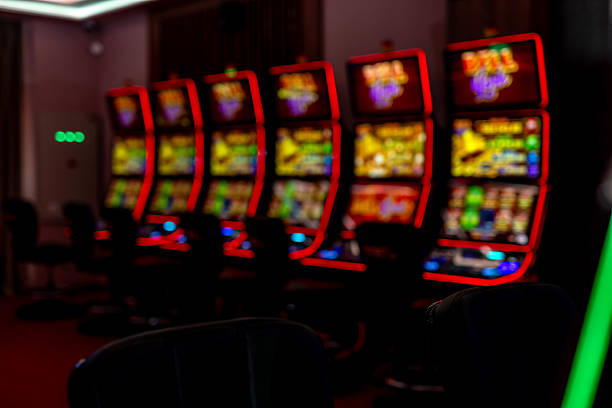
The environment in which gambling occurs significantly influences player behavior and decision-making. In land-based casinos, for example, the ambiance is intentionally designed to enhance the gambling experience. Bright lights, enticing sounds, and free drinks create a stimulating environment that can lead to prolonged play and increased betting. The sensory overload often encourages players to lose track of time and money, making it easy to justify taking risks they might otherwise avoid.
In contrast, online casinos provide a different atmosphere, where players can gamble from the comfort of their homes. While this convenience can promote responsible play, it can also lead to increased risks. The lack of physical presence and immediate consequences can dull the awareness of money being spent, encouraging players to gamble more recklessly. The ability to quickly place bets without the physical constraints of a casino can be particularly dangerous for those prone to impulsive behavior.
Furthermore, promotional tactics such as bonuses and free spins can entice players into making riskier bets. By capitalizing on the excitement of winning something for nothing, online casinos often create a sense of urgency that can lead to hasty decisions. Understanding how environment shapes gambling behavior is essential for developing strategies to promote healthier gaming practices and mitigate the risks associated with excessive gambling.
Casino Australia stands out as a prime example of an online gaming platform that prioritizes player safety and enjoyment. With a vast selection of over 800 games, including diverse pokies and live dealer options, it caters to a wide range of preferences and playing styles. Players can immerse themselves in an engaging gaming experience while also being supported by 24/7 customer service, ensuring assistance is readily available whenever needed.
The platform’s commitment to security is underscored by its operation under a Curacao Gaming Authority license, providing players peace of mind regarding the integrity of their gaming experience. Advanced encryption technology ensures that transactions are conducted safely, protecting users’ sensitive information. For players seeking a reliable online casino, represents a trustworthy option in a landscape where security can often be a concern.
Moreover, Casino offers attractive bonuses to new players, enhancing the gaming journey from the very beginning. This focus on creating a rewarding experience not only highlights the casino’s commitment to player satisfaction but also aligns with the understanding of the psychology behind gambling. By providing a secure and engaging environment, Casino encourages responsible gambling while still offering the excitement that draws players to the world of gaming.